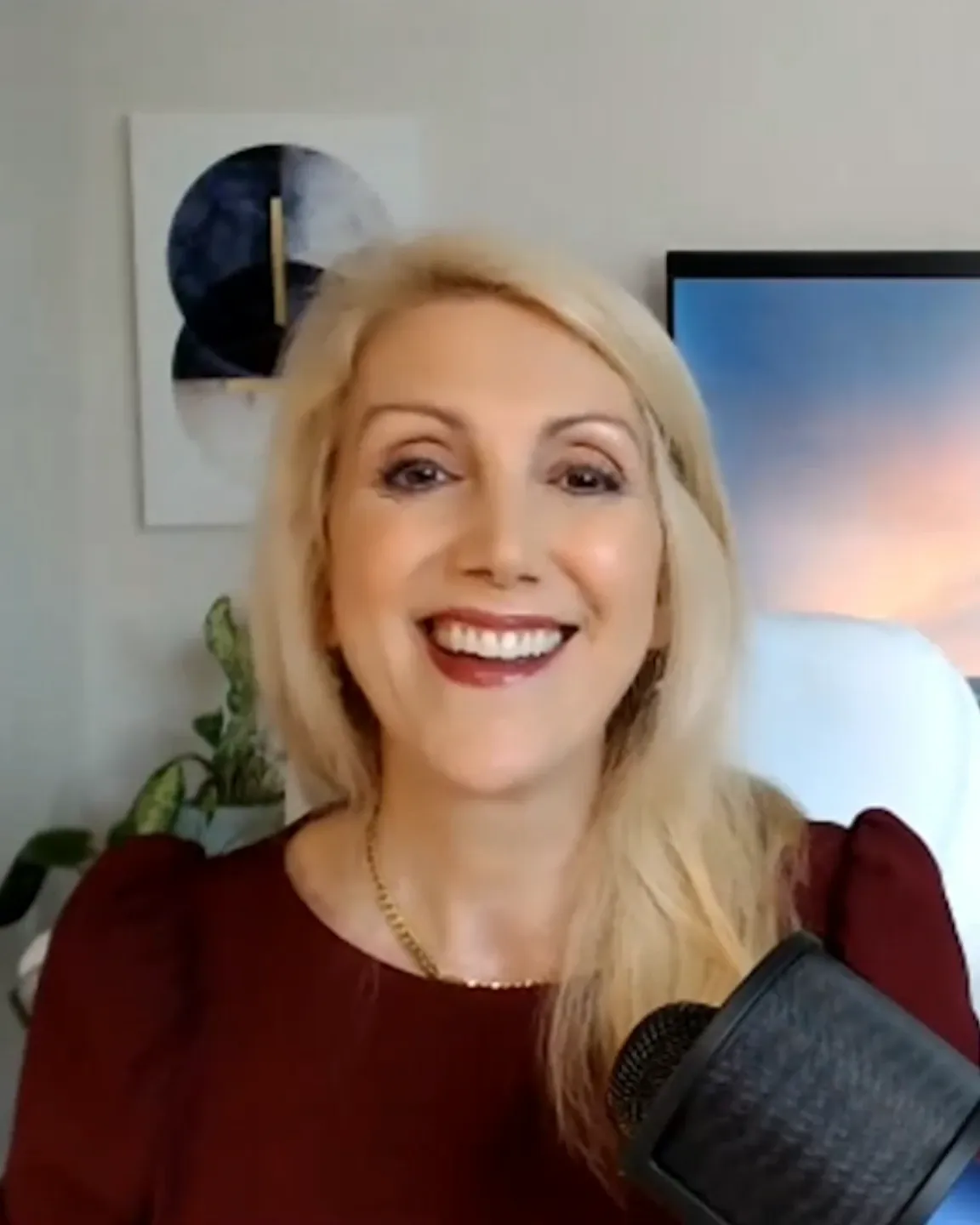



A sampling of Lisa’s media interviews:
BUSINESS INSIDER PODCAST
E! ENTERTAINMENT’S TOTAL DIVAS
PRODUCTIVE PASSIONS PODCAST

Lisa has been interviewed by many outlets, including:

Topics
Lisa can comment and develop content on a wide array of topics. Here are some ideas:
General Communication and Public Speaking
- Overcoming the fear of public speaking with proven mindset and habit shifts
- One small shift to drastically shift your confidence and speaking
- Four communication habits that make you unhappy and harm your reputation
- Why memorizing speeches backfires — and better ways to prepare
- Body language do’s and don’ts for interviews, meetings, and presentations
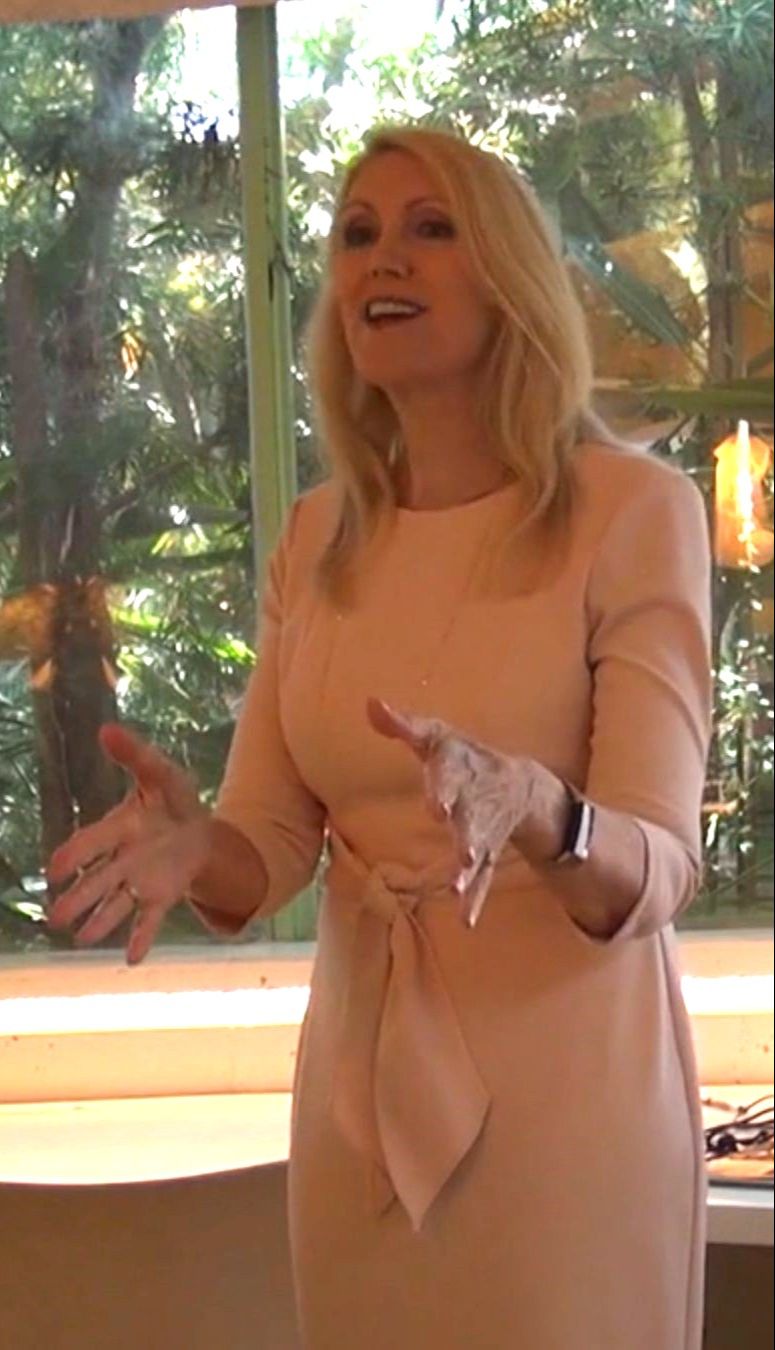
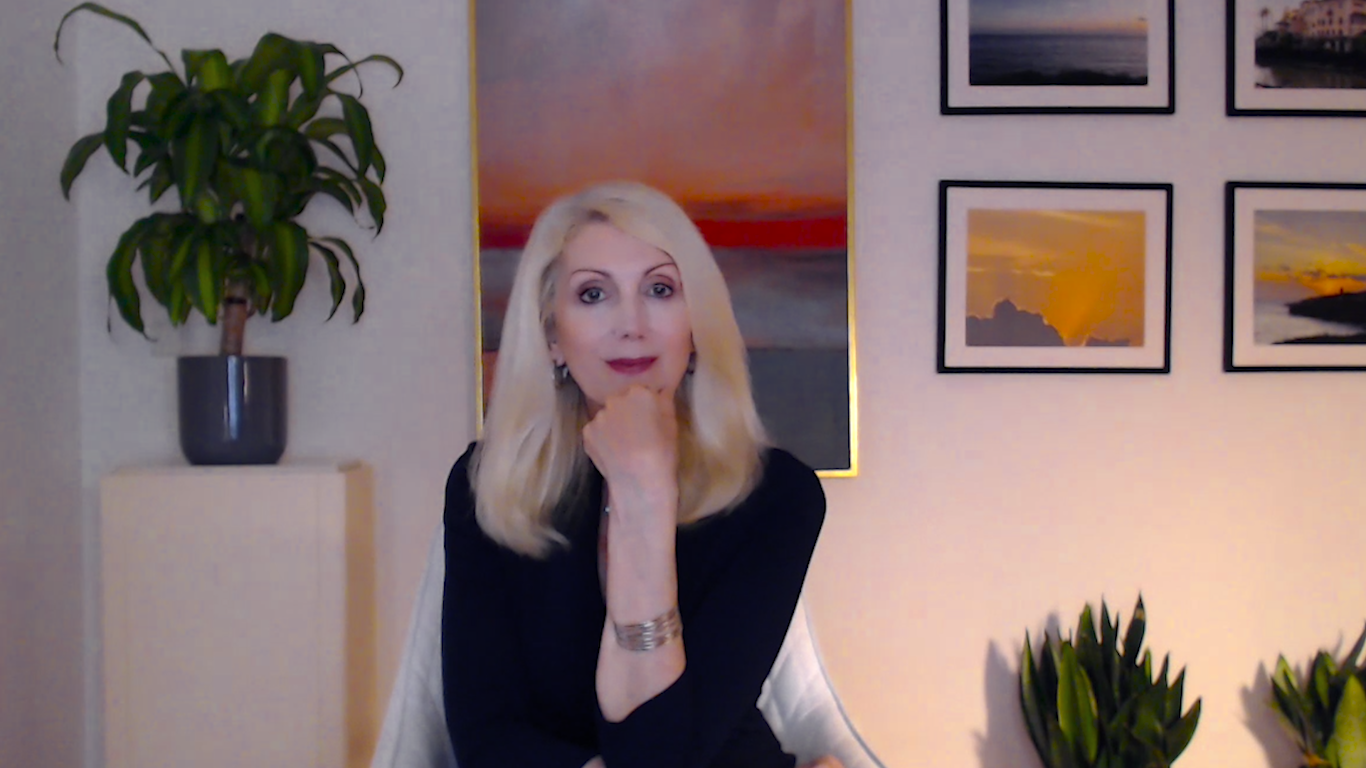
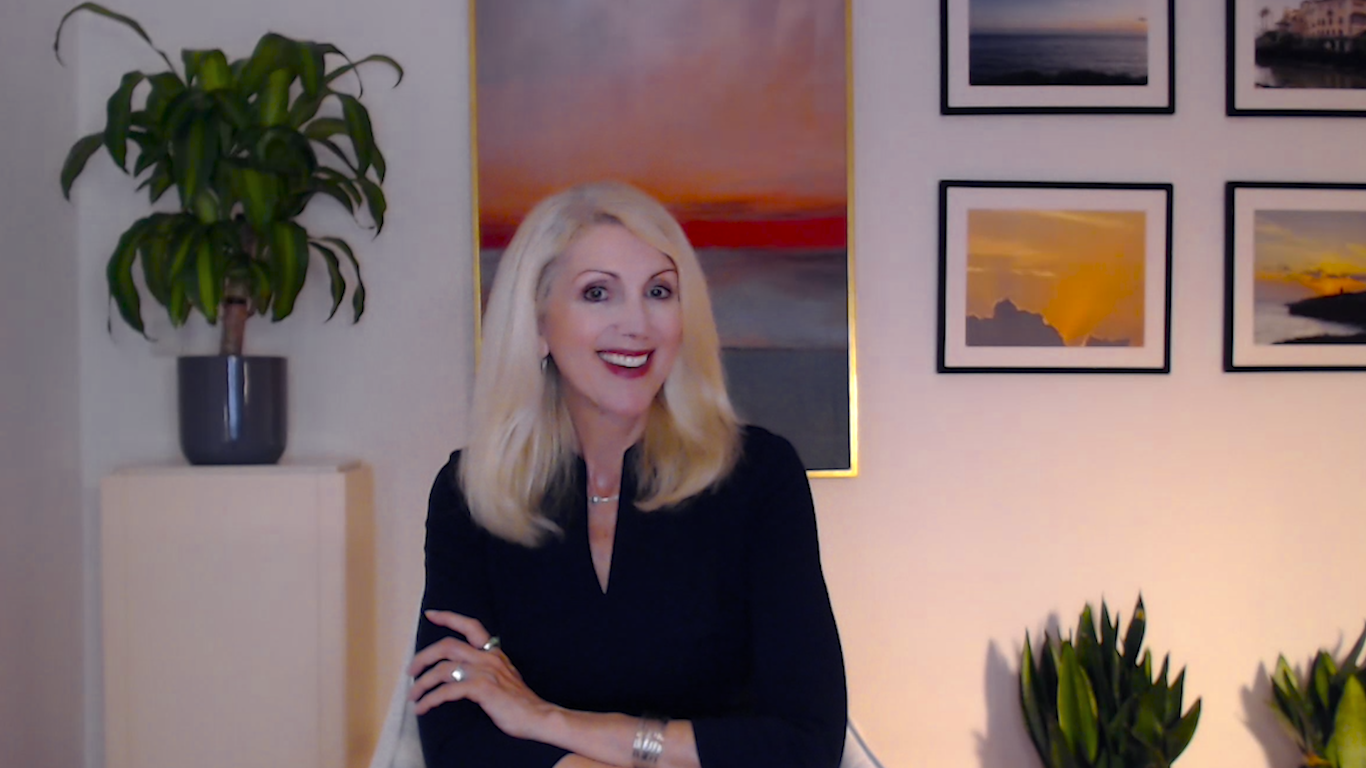
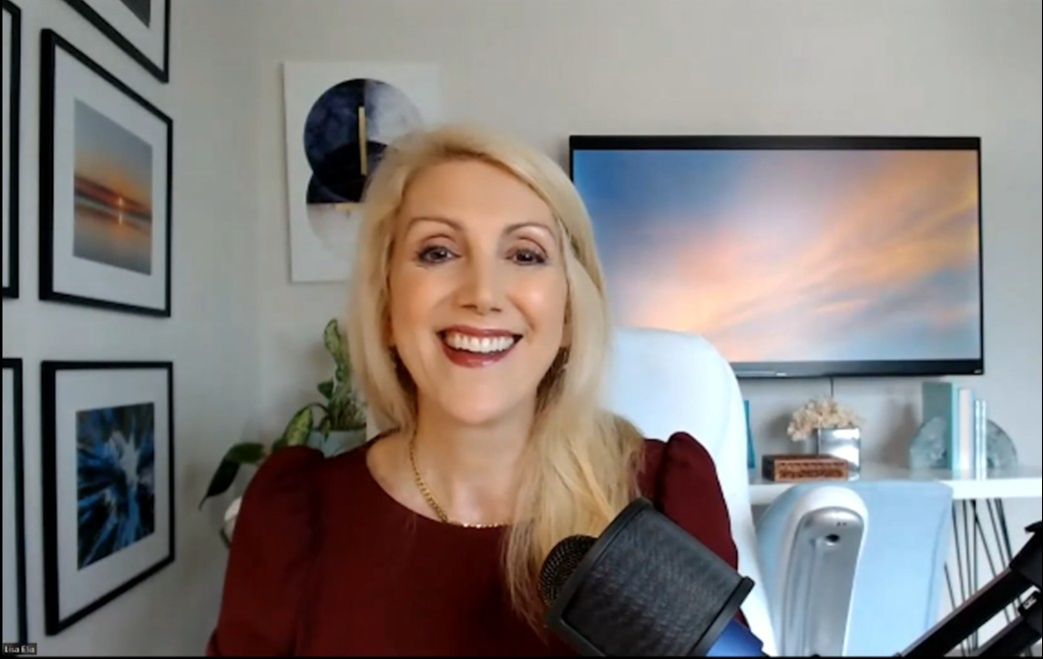
Approved Photos for Media Use
Below are approved, high-resolution images of Lisa Elia available for editorial use only; no alterations except for cropping without permission. To request additional visuals or customized branding shots, please contact [email protected] .
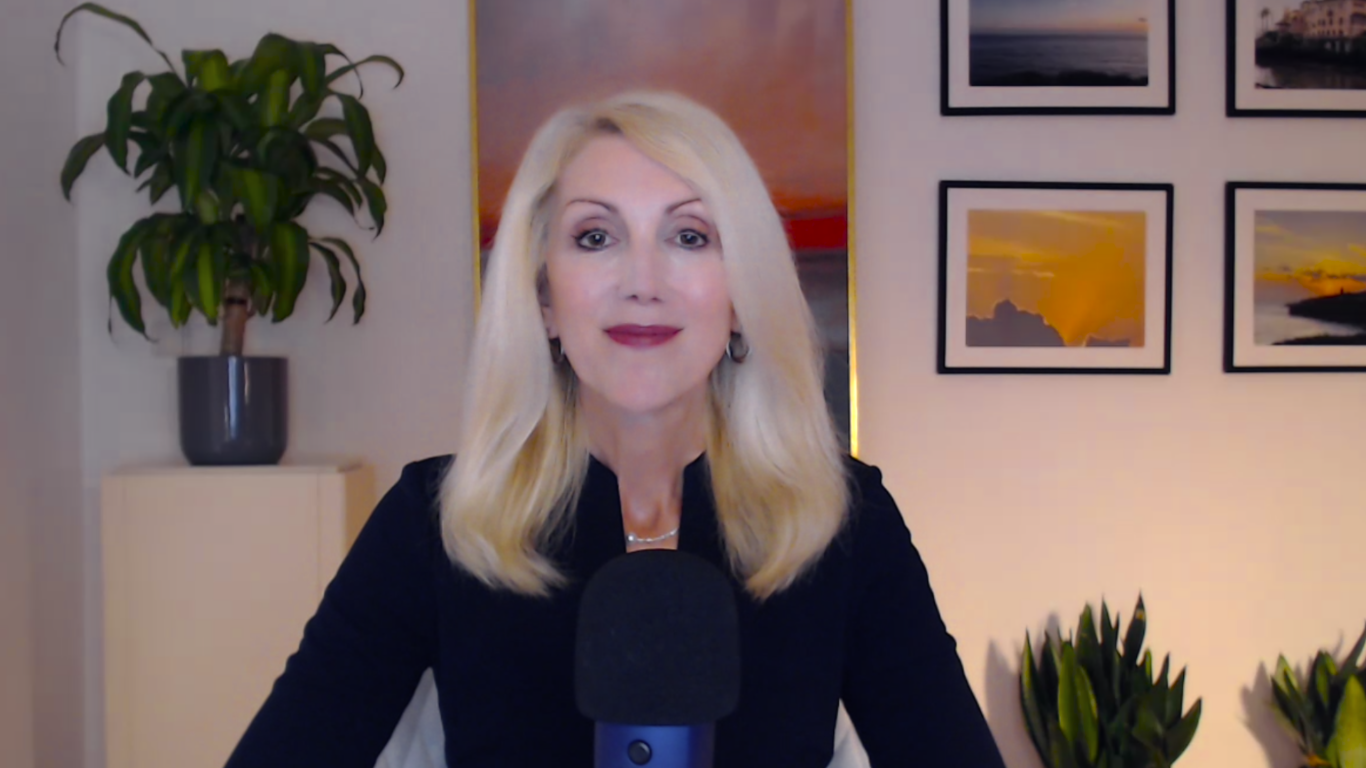
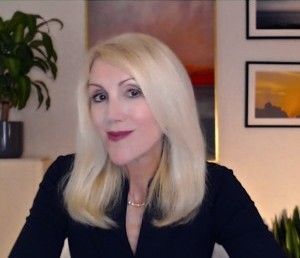
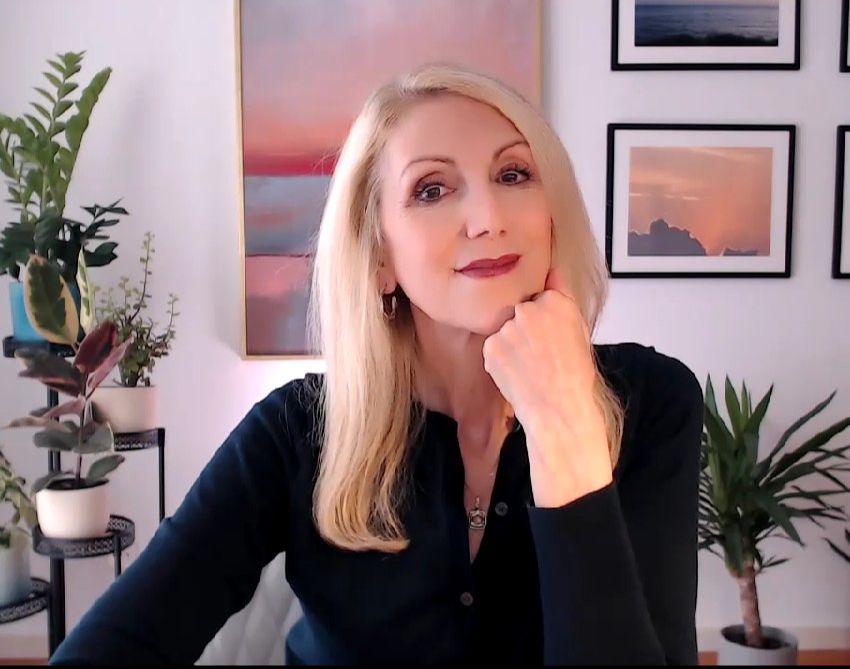
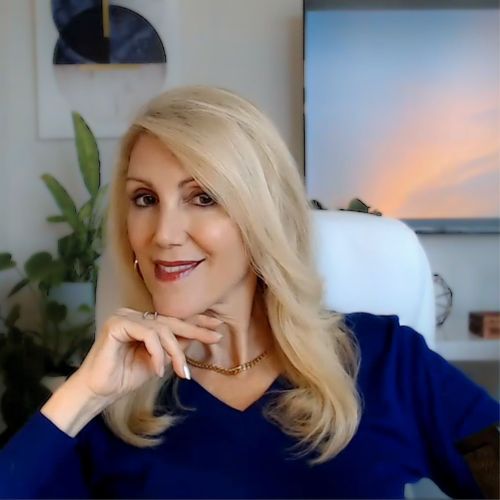
Quotes from Lisa
True freedom as a speaker comes from structure and practice. When you know your material inside out, you can relax, riff, and connect naturally.
How you prepare yourself emotionally, mentally, and physically is at least as important as preparing your material and rehearsing it. Treat yourself like a performance athlete would, working on mindset, habits, and skill development.
In leaders and speakers, people want to see the winning formula of confidence, authority, and warmth. Warmth comes first. People want to know you care before they care to listen to you.
People often focus on charisma, but it must be balanced with gravitas to truly influence others. When you’re unafraid to lean into serious moments, your confidence shows as substance, intention, and respect for your audience.
If you lead people, your presence creates the culture. Emotions are contagious, and yours have an outsized influence. The people you lead take cues from you to decide how to treat other people, who to pay attention to, and how people are valued.
Public speaking skills are like any other skill. You can always continue to improve. Lack of practice leads to rustiness. Applying your best communication practices to daily situations elevates your foundation, making everything else easier.
Communication Research Highlights
Roughly 50% of people experience high levels of public speaking anxiety, 42% moderate, and only 9% low.
Source: National Center for Biotechnology Information (PMC), “Measuring Public Speaking Anxiety”
Eighty-six percent of employees and executives cite lack of effective communication and collaboration as the main cause of workplace failures.
Improved communication and collaboration through social technologies could raise productivity of interaction workers by 20–25%.
Demand for social and emotional skills, including communication, is expected to grow by about 26% in the U.S. by 2030.
Source: McKinsey & Company, “Skill Shift: Automation and the Future of the Workforce”
Read what clients say.

"I’m soooo excited to share that we received our first commitment toward our new statewide corporate giving program, and it’s substantial!
I was able to sprinkle in so many impactful metrics and stories of our work. No doubt this is a direct reflection of our work together.
Thank you SO much for all your help working with me, our team, youth, and families. We are SEEING the byproducts of your talents, and we can not appreciate you more!"
Ashley Brown
Founder and CEO, Selfless Love Foundation

“Lisa has been a great pleasure and has enhanced our team’s abilities from the moment we met her. With her guidance and support over a very short period of time, our team’s confidence and ability to present have grown tremendously.”
Jarred Walker
Co-Founder, GCX

"If you are going in front of the camera, giving interviews, speaking at a fundraiser or merely giving a presentation at a small board meeting, Lisa’s experience in PR, media interviews, public speaking, and body language will serve you well. She can teach you how to be a better public speaker and how to present the best version of yourself. I highly recommend her services."
Gary W. Smith
Sales Manager, Mercedes Benz
"Hi Lisa!
The presentation was a success, and your help made all the difference!
One attendee asked if I was a professional speaker. Thanks so much for everything."
Wendy Erikson
uConnect, Strategic Partnerships Consultant

"I couldn’t recommend Lisa Elia enough. Lisa gave me the confidence I needed to break down any blocks and limiting beliefs I had around my pitch delivery and ability to articulate my message and tone. She is an empowering, thoughtful, and astute coach who does her research and has been supporting me in my fundraising efforts for my start-up, TEMPLA. I will continue to work with her as our company grows."
Lucie Dawson
Founder, TEMPLA App

"Working with Lisa was fantastic, and I highly recommend her. She took the time to understand what the pitch competition was looking for and how to best position my brand. Her practical advice and clear examples helped me strengthen both my story and my delivery, leading to a stronger pitch and a winning result."
Jessica Postiglione
Founder & CEO, Bonny

“Lisa is an all-star pitch coach! She is incredibly thorough when it comes to giving feedback to enhance your presentation and spares no detail. I specifically appreciate how she’ll take the time to comb through your content and take the seat of the audience to ensure no stone is left unturned in your pitch. She is a very calming presence which puts you at ease, and is extremely generous with her time and expertise. She truly wants the best for her clients and is the consummate professional in her field.”
Sashee Chandran
Founder and CEO, Tea Drops

“I had the pleasure of working with Lisa, and I can’t overstate the impact she had on both my presentation and my confidence. She was incredibly supportive, patient, and insightful.
As someone who’s naturally introverted and prone to anxiety, public speaking has always been a challenge for me. Lisa didn’t just coach me on technique; she taught me how to manage my mindset. She introduced simple but powerful practices to calm nerves, ground myself before presenting, and connect authentically with the audience.
I’d recommend Lisa to anyone preparing for an investor pitch or any high-stakes presentation.”